AI Tools for Photo Animation
Directory data
- Tools in this collection
- 7
Editor's picks
Based on editorial assessments, pricing and visitor votes
- Best overall CoreMind Good product
When entering generative media, you inevitably face a choice: spend days configuring dozens of separate international accounts or consolidate everything in one dashboard and immediately start delivering results.
- Good value Pollo AI Good product
The platform wins you over by solving the modern creator's biggest headache: juggling ten open tabs and paying for separate monthly subscriptions.


Compare tools
| Tool | Model | Price from | Assessment | Votes |
|---|---|---|---|---|
 Pollo AI Pollo AI | Paid | €13/month | Good product | ▲ 1 ▼ 0 |
 yveo.ai yveo.ai | Paid | RUB 299 one-time | Good specialized service | ▲ 2 ▼ 0 |
 ErosAI ErosAI | One-time purchase | RUB 303.63 one-time | Good specialized service | ▲ 2 ▼ 0 |
 CoreMind CoreMind | Paid | — | Good product | ▲ 2 ▼ 0 |
 Fotoro Fotoro | Trial | RUB 490 one-time | Good product | ▲ 1 ▼ 0 |
 VEED VEED | Trial | €22/month | With reservations | ▲ 1 ▼ 0 |
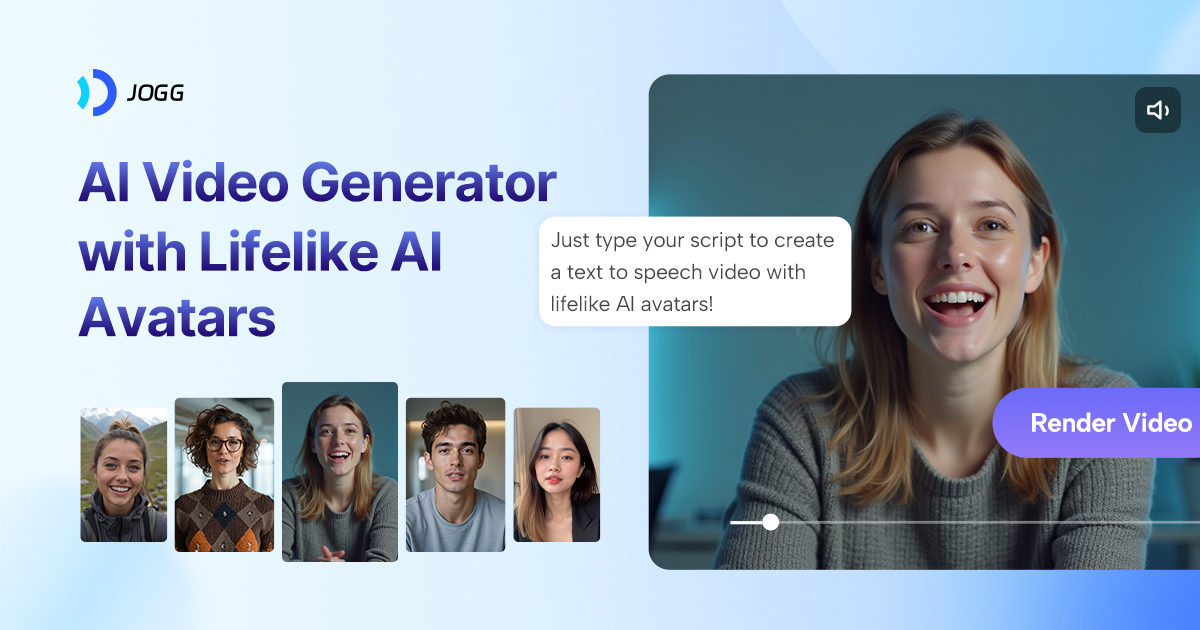
 JoggAI JoggAI | Trial | $29/month | With reservations | ▲ 2 ▼ 0 |
Frequently asked questions
What types of motion can AI photo animators generate?
Most platforms offer motion styles ranging from subtle head turns, eye blinks, and smiles to fully synchronized lip-syncing for voiceovers. Advanced models can also generate ambient motion across the entire frame, animating hair, clothing, and background elements like water or clouds.
Are there free AI tools available to animate photos?
Yes, many platforms provide free trial credits or freemium tiers that let you generate a limited number of animated clips. However, free tiers often include watermarks, lower resolution outputs, and queue limits. Upgrading to a paid subscription unlocks higher definition exports, faster rendering, and commercial usage rights.
How do I choose the right AI tool for animating pictures?
Focus on your primary objective, whether you need realistic talking avatars, nostalgic family photo restoration, or cinematic camera movement. Evaluate how naturally different engines render facial expressions without uncanny artifacts, and check export options such as aspect ratios and framerates. Finally, consider generation speed and whether the tool integrates smoothly into your current workflow.
What image quality is needed for the best animation results?
High-resolution images with clear facial features, balanced lighting, and minimal motion blur yield the cleanest animations. Front-facing portraits usually produce the most natural expressions, as extreme angles or heavy occlusions can confuse neural depth estimators. If you are working with vintage or degraded photos, running them through an AI upscaler first will significantly enhance the final video.
Other collections
About this collection
Breathing life into static photos has shifted from painstaking manual keyframing to instant neural generation. Modern animation engines analyze facial geometry, depth maps, and background context to transform static portraits into realistic dynamic videos with natural expressions, fluid gestures, and subtle motion.
Whether you want to restore historical archives, create talking head avatars for social media, or add atmospheric movement to creative assets, these solutions handle the heavy lifting. They empower creators and businesses to produce captivating video content from single stills in seconds, bypassing complex rigging and traditional rendering pipelines.